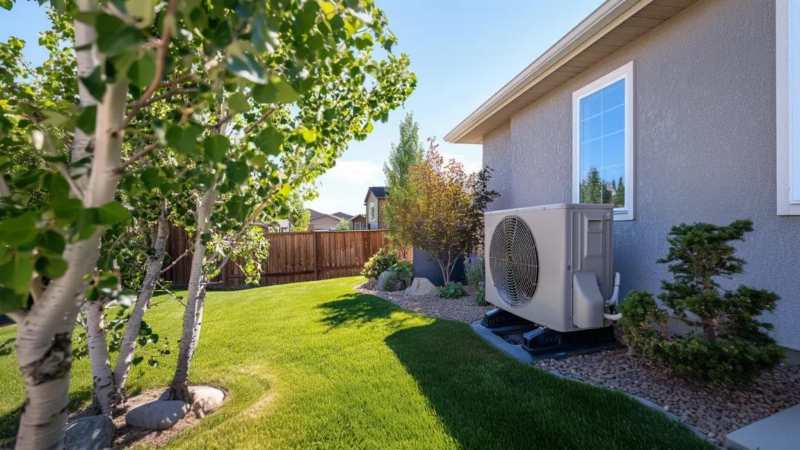
Heat pumps are the backbone of home comfort in Florida. Unlike colder climates where a furnace handles the heavy lifting through winter and the AC takes over for a few months, Florida heat pumps run in cooling mode for the better part of the year with only occasional stretches of heating demand. That near-constant operation puts a different kind of stress on these systems compared to what manufacturers and technicians see in other parts of the country. The wear accumulates faster, and the warning signs tend to appear earlier than homeowners expect. Knowing what to look for — and acting on it quickly — is what separates a manageable repair from a full system replacement.
Your System Is Running Constantly Without Reaching the Set Temperature
A heat pump that runs nonstop but can’t keep your home cool is working far harder than it should for far less output than it’s designed to deliver. In Florida’s heat and humidity, this is one of the first signs that something is wrong under the hood. It might be a refrigerant leak reducing the system’s capacity to transfer heat, a dirty evaporator coil struggling to absorb thermal energy from indoor air, or a failing compressor that’s lost the compression ratio it needs to operate efficiently.
The longer this continues, the more strain accumulates on every connected component. Homeowners dealing with this pattern should treat it as a prompt, not a wait-and-see situation. For residents experiencing this in Palm Beach County, scheduling heat pump repair in Boynton Beach, FL before the peak summer months can mean the difference between a targeted fix and a full system failure during the hottest stretch of the year.
Unusual Sounds During Normal Operation
A well-maintained heat pump operates quietly. The sound of a steady airflow and the low hum of the compressor are normal. Anything beyond that — especially sounds that are new, intermittent, or getting progressively worse — points to a mechanical issue that won’t resolve on its own.
What to listen for and what it typically means
- Grinding or metal-on-metal screeching usually indicates a failing motor bearing in the blower or fan assembly.
- Rattling or banging suggests loose hardware, debris in the outdoor unit, or a fan blade that’s shifted out of balance.
- Clicking that persists beyond a normal startup sequence often points to a failing capacitor or relay.
- Bubbling or hissing near refrigerant lines is a reliable indicator of a refrigerant leak that needs immediate attention.
In Florida’s outdoor environment, the condenser unit is exposed to heat, humidity, heavy rain, and the occasional storm debris year-round. That exposure accelerates wear on fan blades, motor mounts, and electrical components in ways that don’t affect systems in more temperate climates. Catching sound-based warning signs early keeps small mechanical issues from cascading into larger failures.
Short Cycling — When the System Turns On and Off Too Frequently
Short cycling describes a heat pump that starts, runs for a brief period, and shuts off before completing a full operating cycle. It then restarts and repeats the same abbreviated pattern. This is hard on the compressor — the most expensive component in the system — and it’s a clear signal that something is disrupting normal operation.
Common causes include an oversized system that reaches the thermostat setpoint too quickly, a refrigerant charge that’s off, a dirty air filter restricting airflow through the system, or a thermostat that’s reading temperatures incorrectly. Some of these are straightforward to correct. Others require a technician to properly diagnose. What they all share is that every unnecessary start-stop cycle adds compressor wear, and compressor replacement is among the most costly repairs in residential HVAC.
Ice on the Coils or Refrigerant Lines
Ice forming on a heat pump in Florida isn’t a sign that the system is working well — it’s a sign that something is wrong. Unlike northern climates where light frost on the outdoor unit during heating mode can be normal and managed by the defrost cycle, visible ice on indoor coils or refrigerant lines in a cooling-dominant environment almost always indicates a real problem.
The most likely causes
- Low refrigerant charge causing the evaporator coil to drop below the temperature needed to prevent frost formation.
- Severely restricted airflow from a clogged filter or blocked return air vents preventing the coil from absorbing heat at its design rate.
- A malfunctioning blower motor reducing airflow across the evaporator coil.
If you see ice on any part of your indoor unit or the lines connecting it to the outdoor condenser, shut the system down and call a technician. Running an iced coil forces the compressor to operate under abnormal pressure conditions and significantly increases the risk of compressor damage.
A Noticeable Spike in Your Energy Bills
In a state where air conditioning runs nearly year-round, energy costs are already a significant monthly expense. When those bills climb noticeably without a change in usage patterns, weather, or occupancy, the system itself is almost always the cause. Degraded refrigerant charge, dirty coils, aging components operating outside their design efficiency range, and duct leaks all force the system to consume more electricity to deliver the same cooling output.
This kind of efficiency loss rarely announces itself dramatically. It shows up gradually on monthly statements until the cumulative difference becomes hard to ignore. An annual tune-up is the most effective way to catch efficiency losses before they show up on your bill. If the increase has already appeared, a diagnostic visit will identify where the system is losing ground.
Excess Humidity Inside the Home
A properly functioning heat pump does more than cool the air — it actively removes moisture from indoor air as part of the refrigeration cycle. In Florida, where outdoor relative humidity regularly climbs above 80 percent, this dehumidification function is just as important as temperature control. If your home starts feeling muggy even when the system is running, the heat pump isn’t doing its full job.
This can result from a refrigerant issue affecting coil temperature, an oversized system that short cycles before completing adequate dehumidification, or an air handler that’s not moving enough air across the evaporator coil. A home that feels perpetually damp despite air conditioning isn’t just uncomfortable — it creates conditions that accelerate mold growth and degrade indoor air quality over time.
When to Stop Waiting and Call a Professional
The most common mistake Florida homeowners make with heat pump problems is tolerating the symptoms too long. Reduced cooling output, strange sounds, short cycling, unexplained moisture — each of these individually signals a system under stress. More than one showing up at the same time means the stress is compounding, and delay only increases the eventual cost of correction.
The right time to call is at the first sign, not after the system fails on a 95-degree afternoon. For homeowners in Palm Beach County, timely heat pump repair in Boynton Beach, FL is especially critical given how uninterrupted the cooling season is — there’s no true off-season to absorb a failure gracefully. A system that limps through spring rarely makes it to fall without a more serious breakdown, and the cost of emergency service during peak demand almost always exceeds the cost of proactive repairs scheduled on your terms.
The Bottom Line
Heat pumps in Florida face conditions that systems in other parts of the country simply don’t encounter at the same intensity or duration. Year-round heat, persistent humidity, salt air in coastal areas, and the near-constant operational demand all accelerate wear and compress the window between early warning signs and system failure. The homeowners who get the most life and value from their equipment are the ones who pay attention to what their system is telling them and act before small issues become expensive ones. If any of the warning signs in this article sound familiar, the right move is a professional inspection — not another season of hoping the problem works itself out.